Design by Mood
Why Your Space Should Reflect Your Mood—Not Just Trends
Most people decorate by trend.
They scroll.
They save.
They copy.
And then they sit in a room that looks beautiful… but doesn’t feel right.
That disconnect is the problem.
Your home is not a photoshoot backdrop.
It’s where your nervous system lands at the end of the day.
And when your space reflects trends instead of your emotional needs, something always feels slightly off.
This is where design shifts from aesthetic to intention.
The Problem with Designing for Trends Alone
But they rarely ask you how you want to feel.
Trends are loud.
They move fast.
They reward imitation.
All-white kitchens.
Ultra-gray living rooms.
Overdone boho layers.
Industrial everything.
They had their moment. And some were beautiful.
But if you built your entire home around a moment, what happens when that moment passes?
You’re left redesigning again.
Or worse, living in a space that doesn’t support you.
Trends are not the villain.
They’re just temporary.
Your daily life isn’t.
Your Space Is Regulating You (Whether You Realize It or Not)
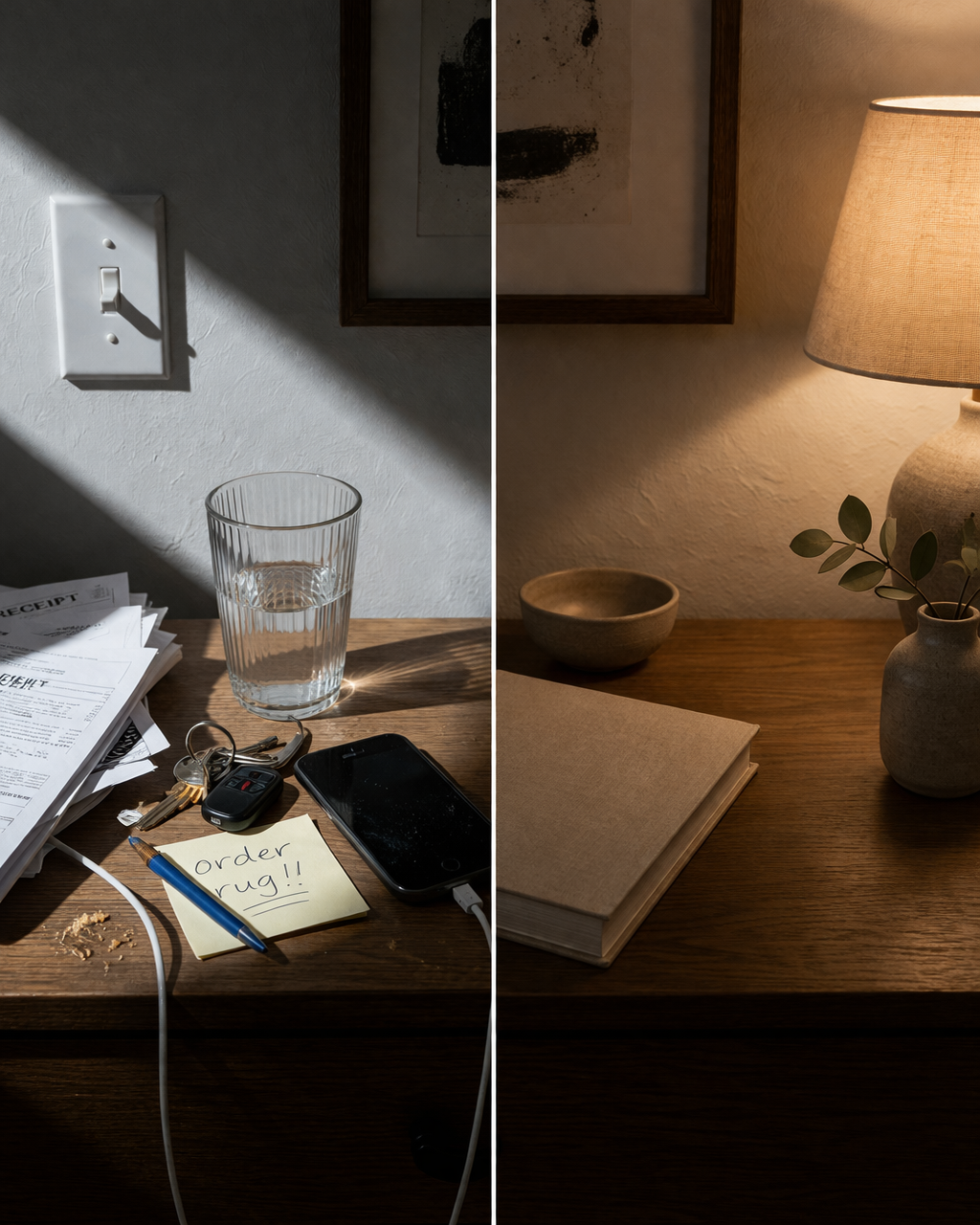
A cluttered room makes your brain work harder.
Harsh lighting can quietly increase tension.
Colors that don’t match your energy create subtle friction.
You feel this before you understand it.
Your environment is shaping your:
- Focus
- Rest
- Stress levels
- Creativity
- Motivation
Design isn’t decoration.
It’s emotional architecture.
And once you understand that, you stop asking, “What’s trending?”
You start asking, “What do I need?”
The Espie Mood Approach: Design by Feeling First
At Espie Mood, we don’t begin with style.
We begin with mood.
Before choosing paint, furniture, or decor, we ask:
“How do you want to feel when you walk into this room?”
Most spaces fall into one of three core emotional environments.
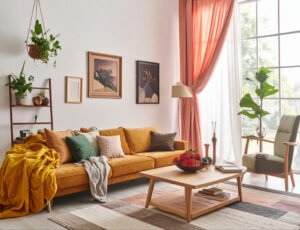
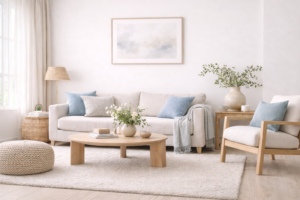
Discover whether your space should feel more Relaxed, Focused, or Creative.
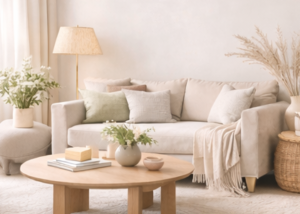
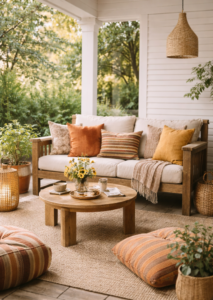
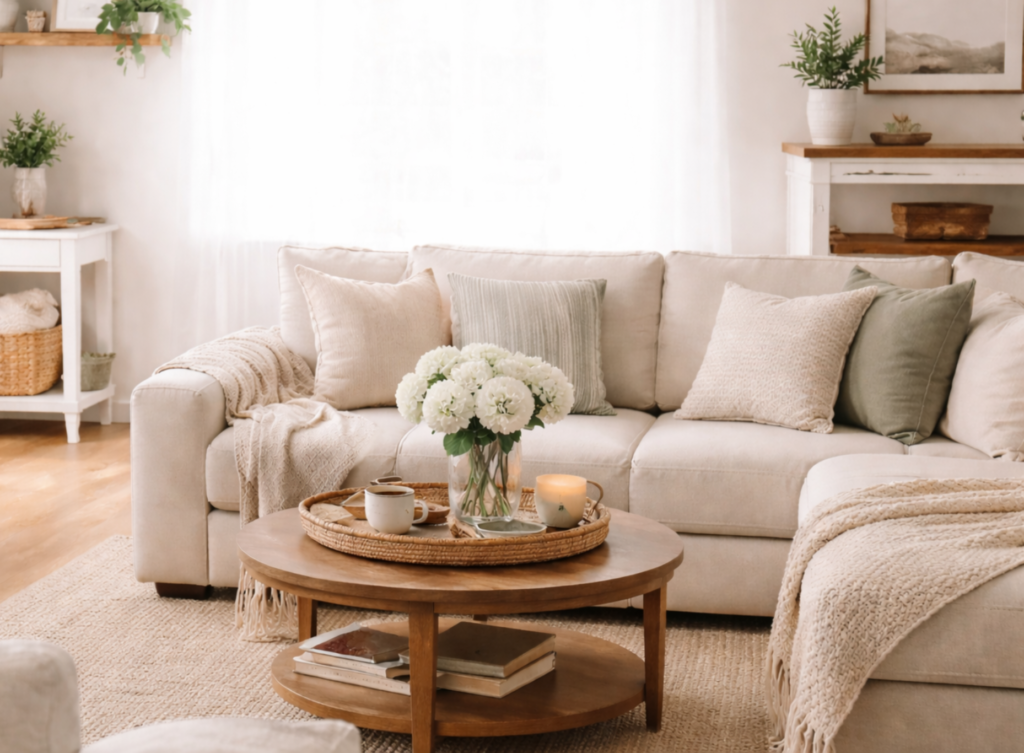
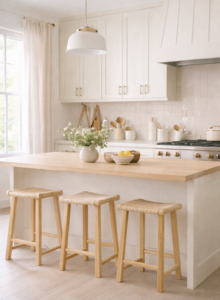
Relaxed
Soft Layers – Warm Neutrals – Natural Texture
A space that allows your body to exhale.
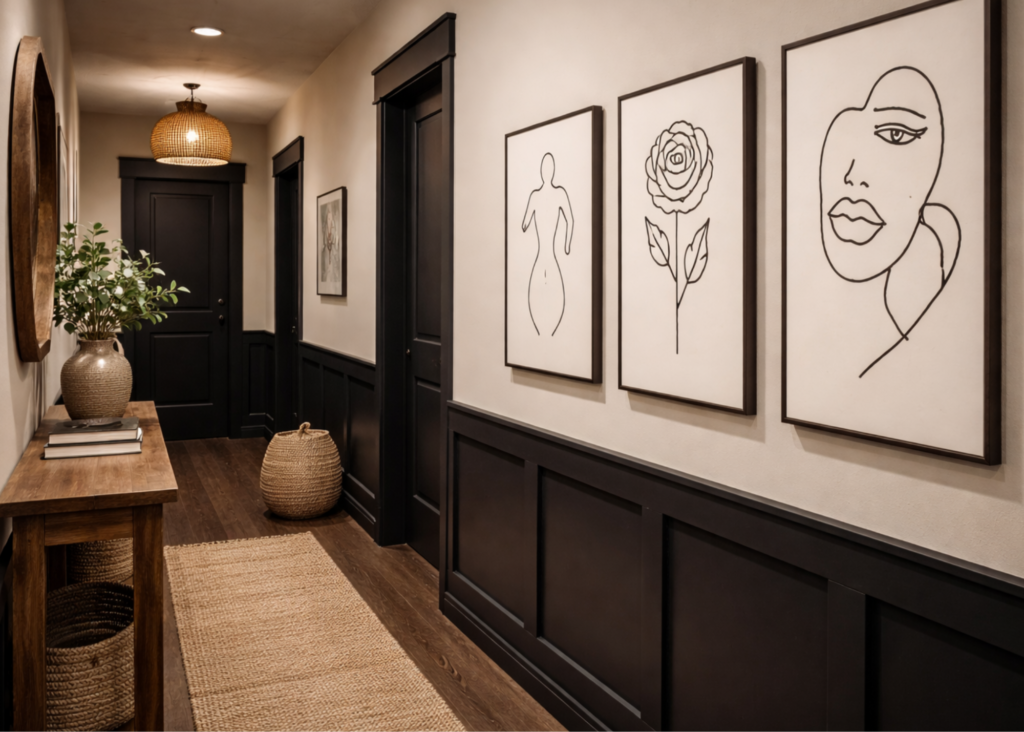
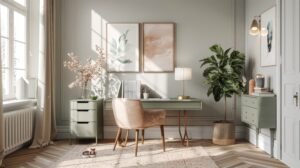
Focused
Clear Surfaces – Intentional Layout – Calm Contrast
A room that reduces mental noise and supports clarity.
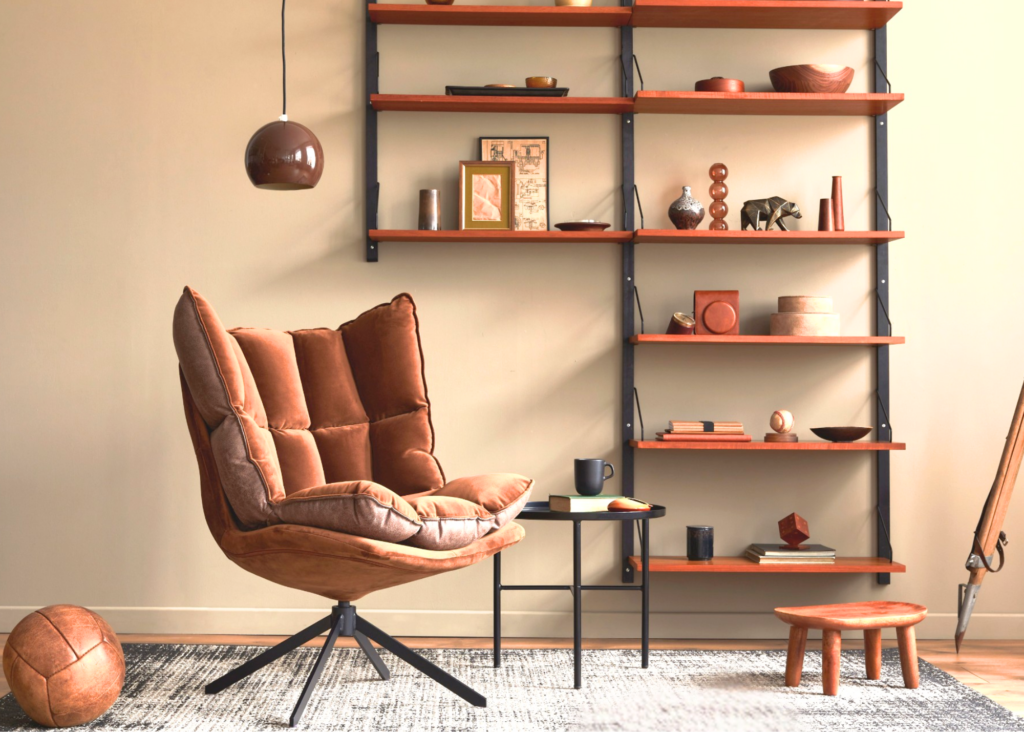
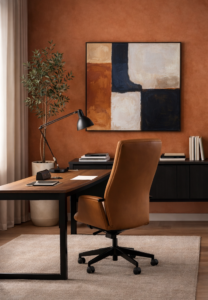
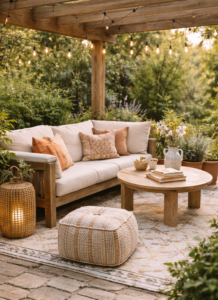
Creative
Layered Personality – Subtle Color – Expressive Details
A space that sparks ideas without overwhelming you.
These aren’t trends.
They’re emotional blueprints.
When the mood is clear, decisions become easier. You stop impulse buying. You stop chasing aesthetic validation. You start building alignment.
Balancing Trends Without Letting Them Lead
You don’t have to reject trends.
You just don’t let them drive.
Use them as accents.
Small moments.
Replaceable details.
Final Thoughts: Design for the Life You Actually Live
Your home is not an algorithm.
It’s not a performance.
It’s where you wake up tired.
Where you think.
Where you rest.
Where you build your life quietly.
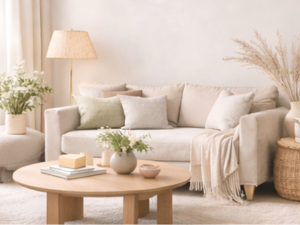
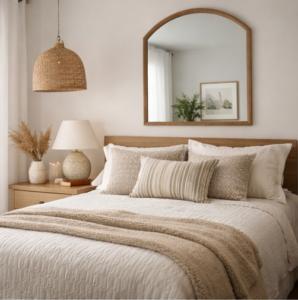
When your space reflects your mood, everything softens.
You don’t need constant redesign.
You don’t need validation.
You don’t need the next aesthetic shift.
You need alignment.
That’s the difference between decorating for trends and designing by mood.
And that’s the foundation of Espie Mood.
Explore the Mood
Choose a mood, then explore ideas or shop pieces to bring it into your space.