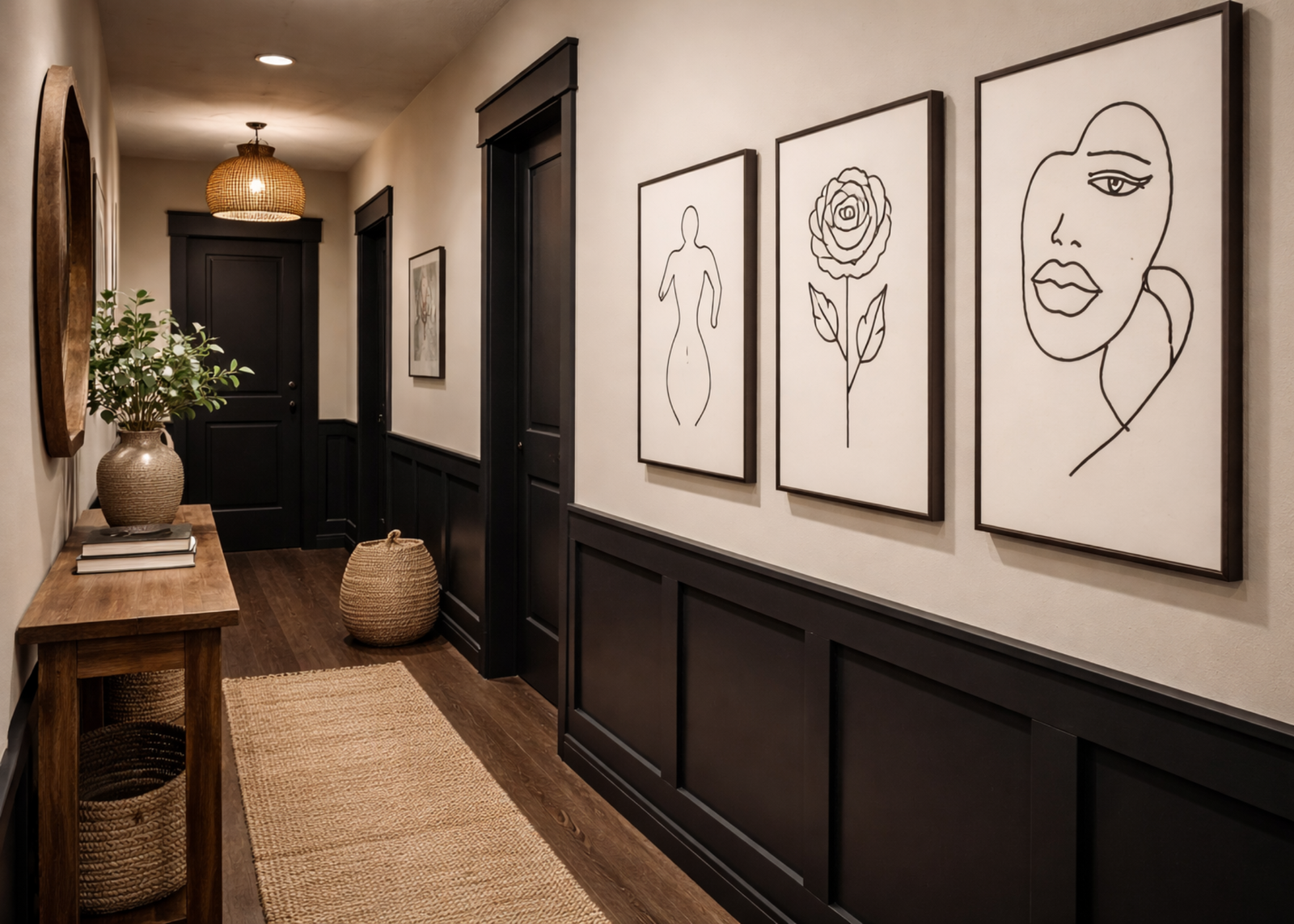
This website contains affiliate links. I may earn a commission at no additional cost to you if you make a purchase through these links.
Most people decorate by price tag.
Sale section. Clearance aisle. Flash deal at 11:42 PM.
And then they wonder why their space feels disconnected.
Here’s the truth: a beautiful home isn’t built by money. It’s built by mood.
When you start with how you want a space to feel, you make smarter choices. You stop buying random decor and start creating something cohesive, intentional, and elevated, even on a tight budget.
Let’s break it down.
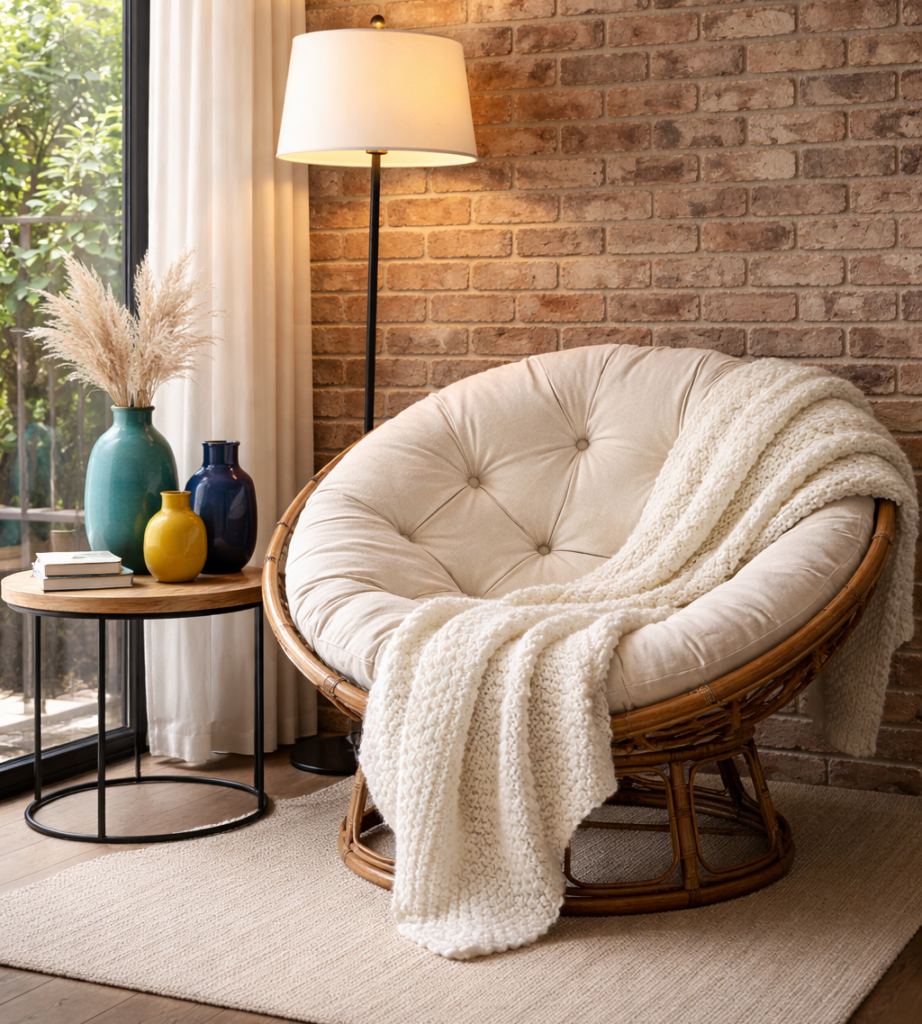
Step 1: Choose the Mood Before You Choose the Decor
Before you buy anything, decide the emotional direction.
Ask yourself:
- Do I want this room to feel calm and relaxed?
- Focused and grounded?
- Creative and inspiring?
- Cozy and layered?
- Energized and bold?
Mood becomes your filter.
If a piece doesn’t support the feeling, it doesn’t belong.
That one shift alone saves you money and regret purchases.
Step 2: Elevate Through Simplicity
High-end spaces are rarely cluttered.
They’re intentional.
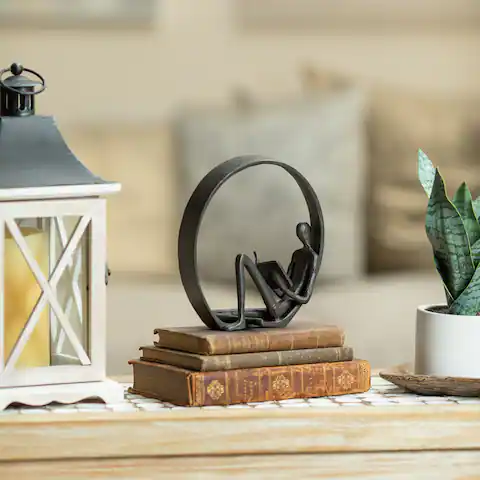
Instead of filling every surface, focus on creating visual moments.
Try this:
- Stack two or three books.
- Add one sculptural object.
- Leave negative space around it.
Negative space feels luxurious. It signals confidence.
And it costs nothing.
Step 3: Use Texture to Add Depth (Not More Stuff)
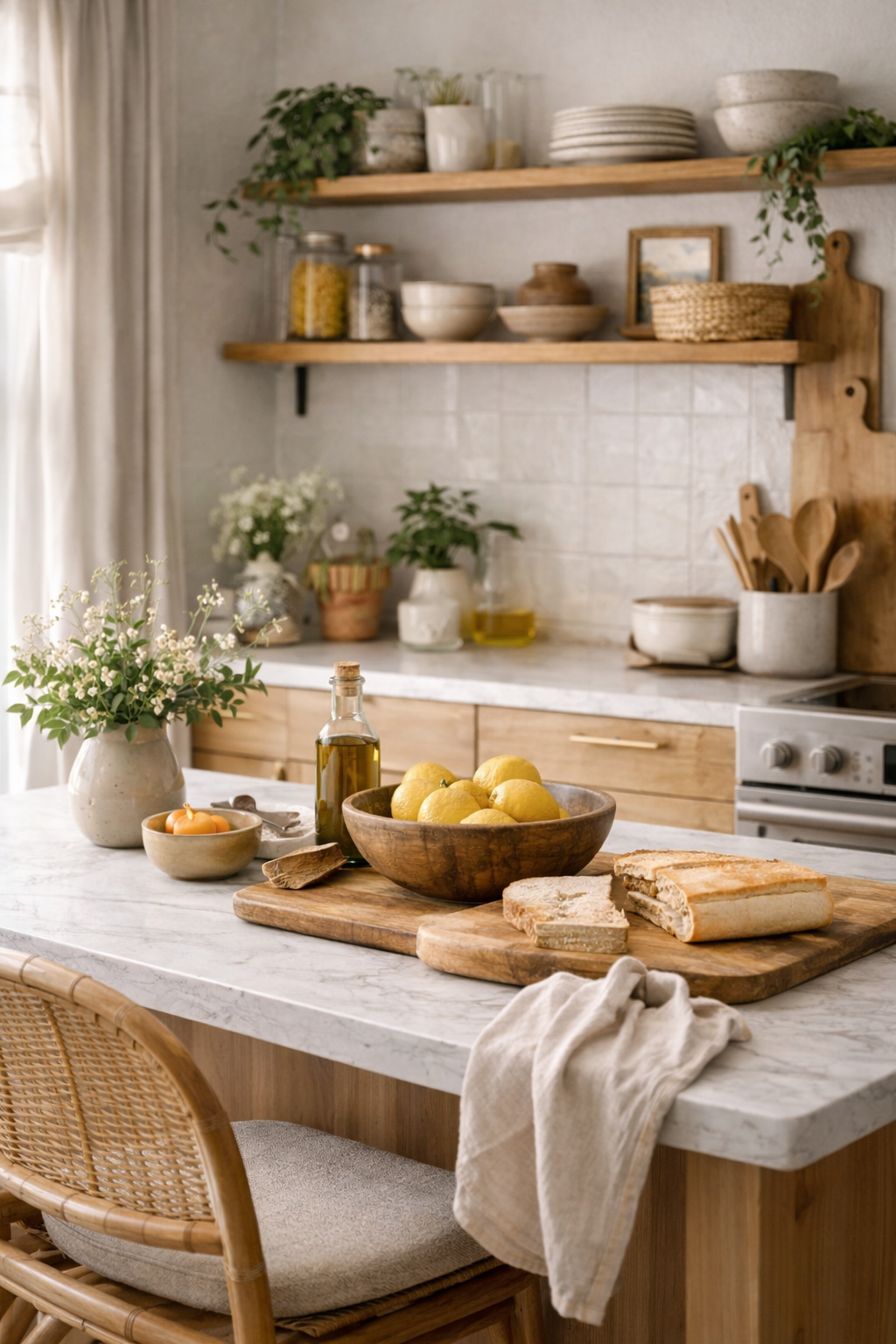
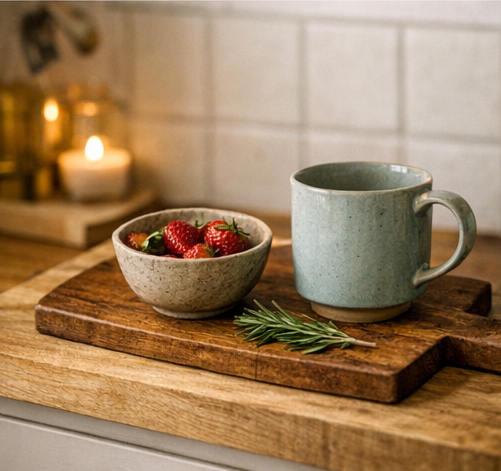
If your space feels flat, you don’t need more decor. You need more texture.
Layer:
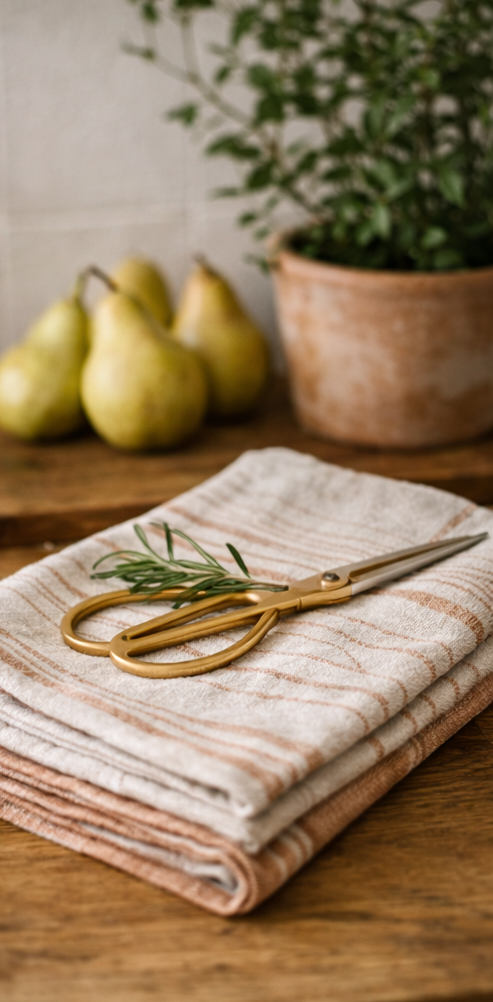
- Linen pillow covers
- Woven baskets
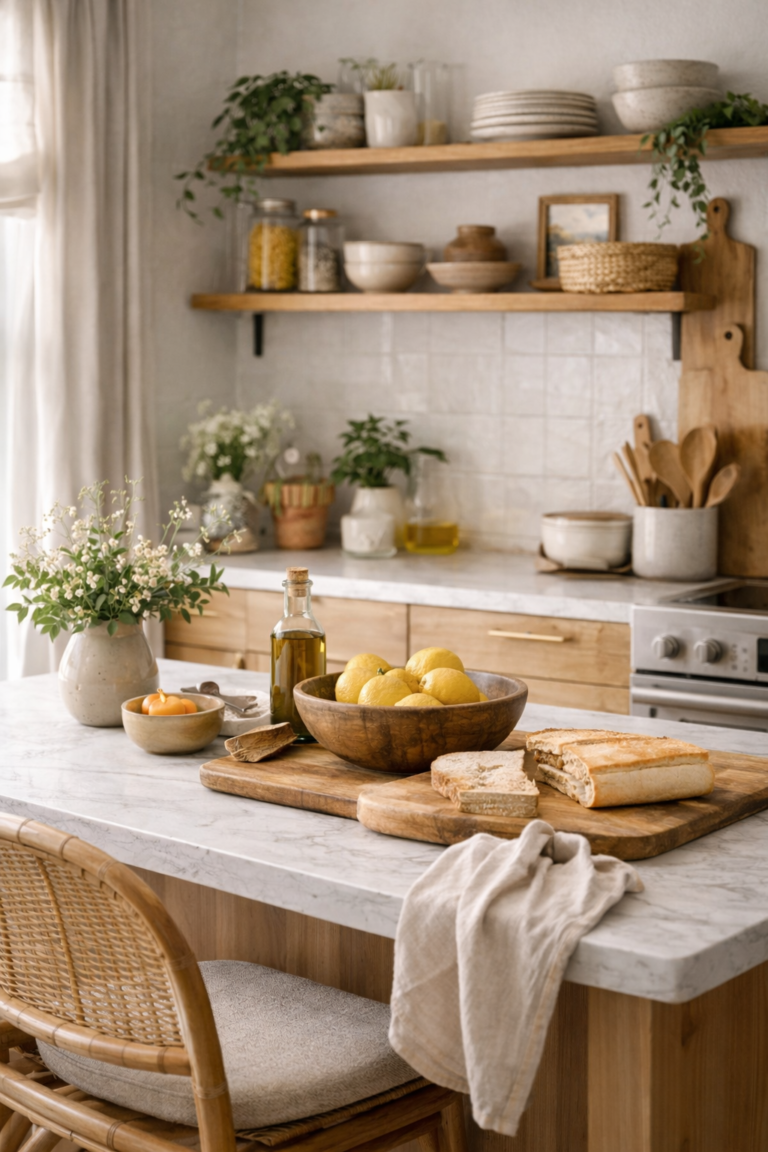
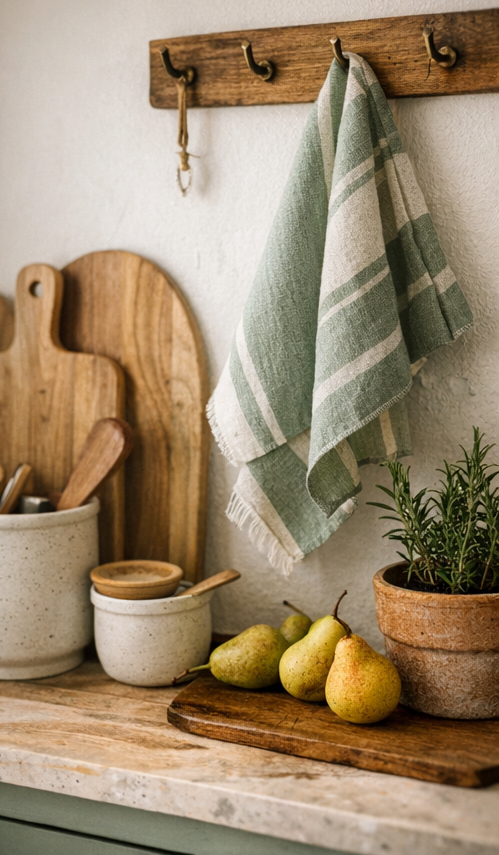
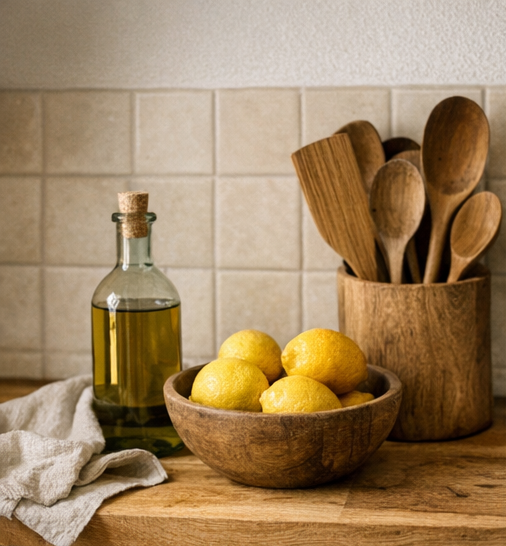
- Wood accents
- chunky throw
Texture makes a room feel finished and thoughtful. It elevates without adding visual chaos.
That’s how you design for mood instead of money.
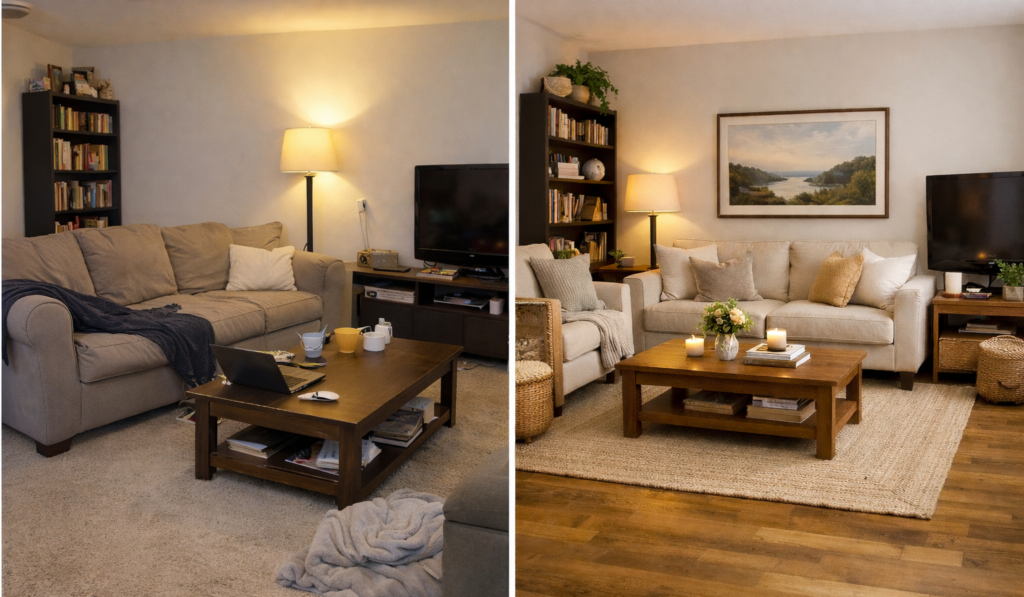
Step 4: Rearrange Before You Repurchase
The cheapest way to transform a room?
Move things.
- Swap art between rooms.
- Shift furniture slightly to create better flow.
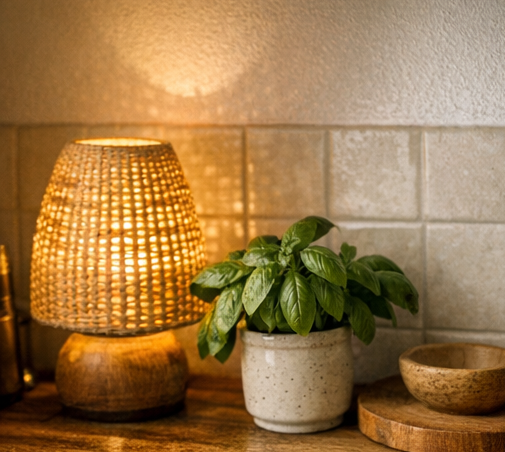
- Move a lamp to create a cozy corner.
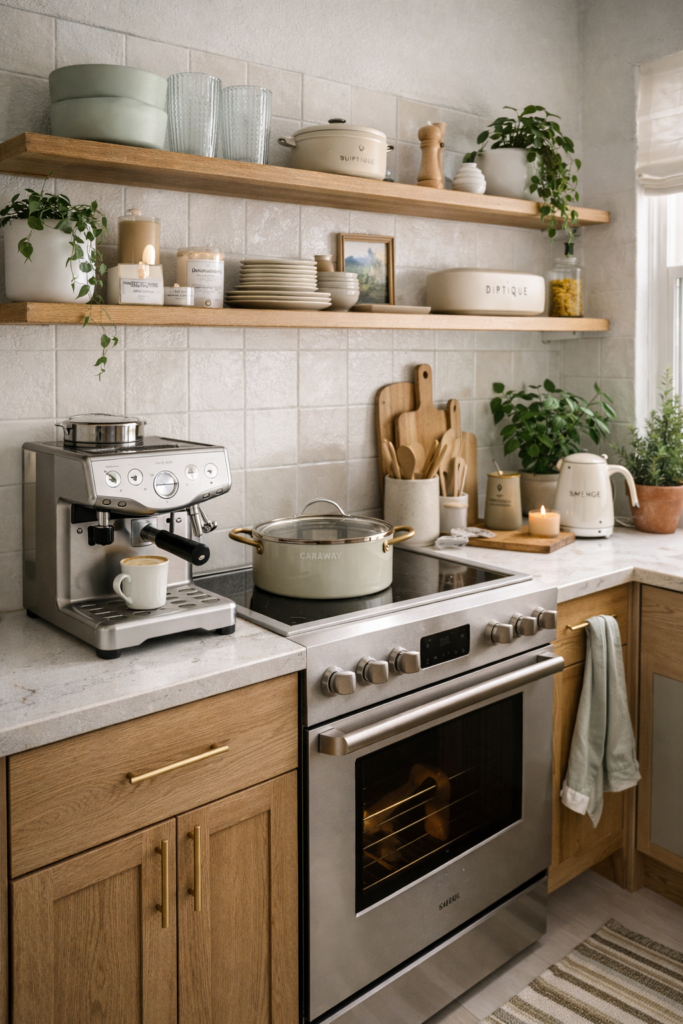
- Re-style your shelves with fewer items.
New energy doesn’t always require new items.
Sometimes it just requires intention.
Step 5: Thrift With a Vision
Budget shopping works when you know your mood.
Look for:
- Solid wood pieces
- Unique mirrors
- Frames for gallery walls
- Ceramic or stone decor
Ignore color. Ignore finish. Focus on shape and structure.
A simple coat of paint in matte black, warm cream, or deep charcoal can completely elevate a thrifted find.
Creative doesn’t mean chaotic. It means seeing potential.
Step 6: Invest in One Statement Piece
If you have a small budget, don’t spread it across ten tiny objects.
Choose one:
- A bold lamp
- A large mirror
- A dramatic piece of art
- A unique accent chair
Let that piece anchor the mood.
Everything else supports it.
This creates balance and keeps the room from feeling scattered.
The Real Secret: Mood Creates Cohesion
When you design by mood, your space naturally feels cohesive.
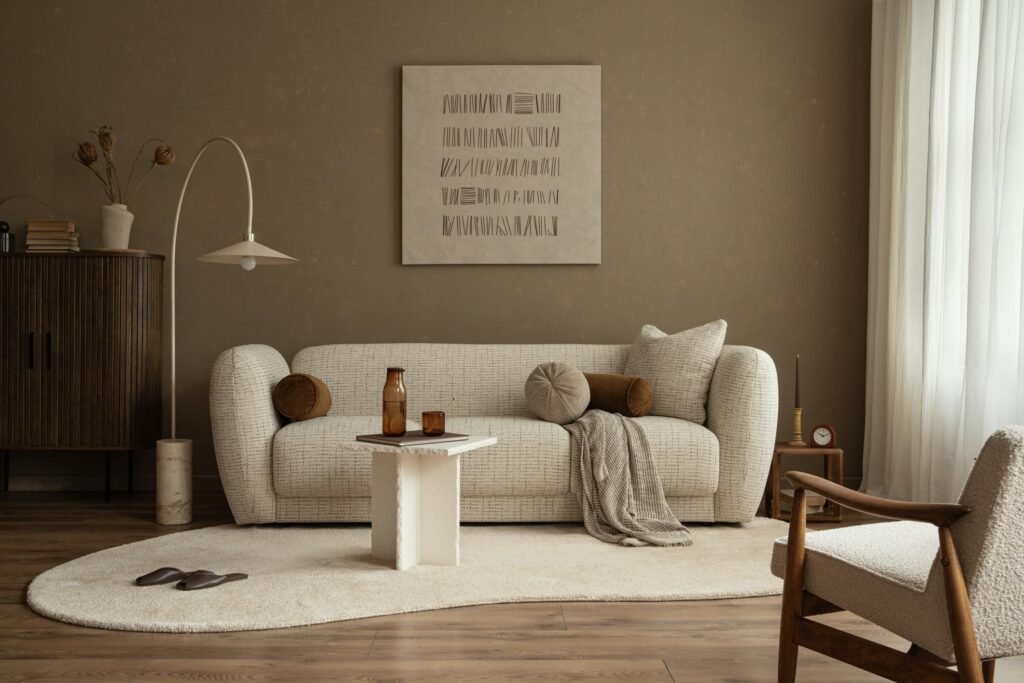
You’re no longer asking:
“What’s trendy?”
You’re asking:
“What supports the feeling I want here?”
And that question changes everything.
Elevated spaces aren’t expensive because of money.
They’re elevated because they’re intentional.
You don’t need a bigger budget.
You need clarity.
And once you design by mood instead of money, your space starts to feel like it was created on purpose.
Which, honestly, is the most luxurious feeling of all.