Blog

  • Bedroom Reset: Small Changes That Help You Unwind at the End of the Day

    Downloadable checklist at bottom.

    This website contains affiliate links. I may earn a commission at no additional cost to you if you make a purchase through these links.

    By the end of the day, most bedrooms are carrying more than they should.

    A charger draped across the nightstand.
    A chair collecting clothes that were not dirty enough to wash and not clean enough to put away.
    A lamp left off because the overhead light has become the default.

    Nothing about it seems dramatic.

    But bedrooms hold onto unfinished energy quietly.

    And unlike living rooms or kitchens, you notice it most when everything else has gone quiet.

    That is when a room either helps you settle, or keeps your mind lightly alert.

    A bedroom reset does not require buying new furniture or changing everything at once.

    It usually starts with a few small adjustments that tell your mind something simple:

    the day is ending here.
    Why Bedrooms Often Fail at Feeling Restful

    A bedroom can look perfectly acceptable and still feel mentally busy.

    Sometimes the problem is not clutter in the obvious sense.

    It is visual interruption.

    Too many small objects.
    Uneven lighting.
    Textures competing for attention.
    Surfaces that still look active instead of settled.

    Your attention keeps reading all of that, even when you are tired.

    A focused bedroom is not minimal for the sake of appearance.

    It is edited so the room asks less from you.

    That often matters more than adding anything new.

    Start With the First Thing You See

    Stand in the doorway and notice where your eyes land first.

    That first visual impression shapes the mood immediately.

    If your eyes hit:

    • laundry
    • cords
    • crowded surfaces
    • scattered objects

    that becomes the room’s first impression.

    A calmer first view usually means:

    • smoother bedding
    • one clear nightstand
    • softer light
    • fewer visible objects

    The goal is not emptiness.

    Just less competition.

    Let the Light Change Before the Mood Does

    Lighting is often the fastest way to shift a bedroom.

    Overhead light keeps a room feeling alert longer than expected.

    A lamp placed lower in the room changes how everything feels because it softens edges and lowers contrast.

    That small change matters at night.

    Better evening light usually means:

    • warm tone instead of bright white
    • one lamp instead of full overhead light
    • light that creates glow instead of glare

    If the room still feels sharp after sunset, the light is usually part of the reason.

    Clear One Surface Completely

    Not partially.

    Not by moving things around until they form a neater pile.

    Choose one surface and clear it entirely.
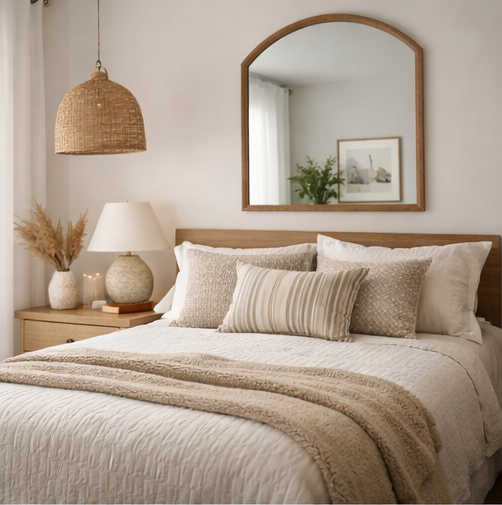
    A nightstand works best because it affects the room immediately.

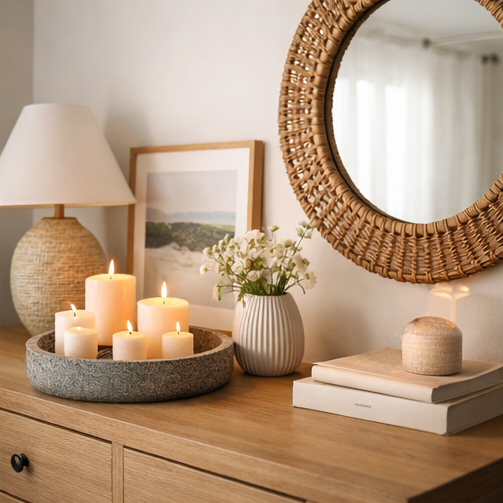
    Leave only what belongs to evening:

    • lamp
    • book
    • tray
    • glass of water

    That is enough.

    A dresser can stay nearly empty too.

    One object with shape or texture often feels calmer than several decorative pieces competing for attention.

    Negative space is part of what makes a room breathe.

    Make the Bed Slightly More Intentional Than Usual

    A made bed changes more than appearance.

    It gives the room one stable visual anchor.

    Not decorative perfection.

    Just enough structure that the room looks settled.

    Try:

    • smoothing the bedding
    • arranging pillows simply
    • folding one throw at the edge

    Stay within one calm palette if possible.

    When colors stay controlled, the room feels quieter even before anything else changes.

    Protect One Quiet Corner
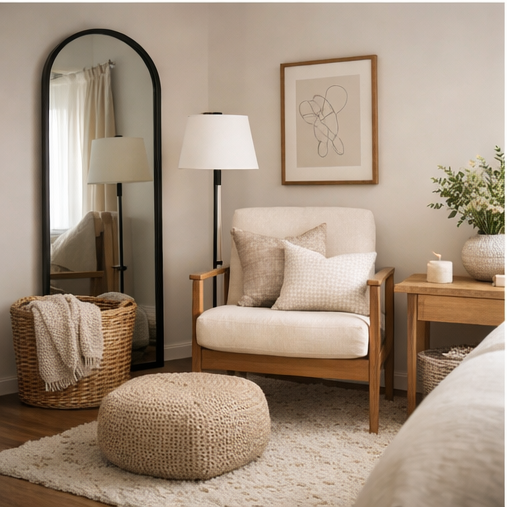
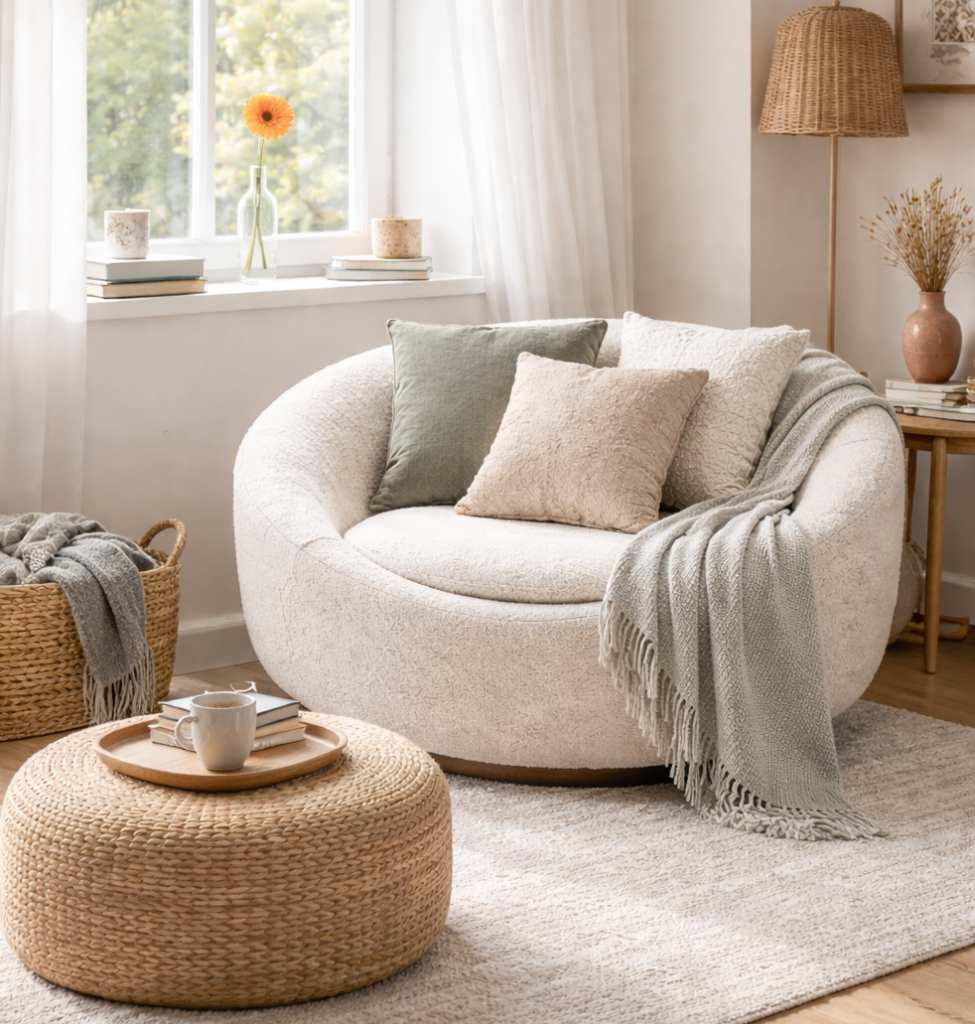
    Every bedroom benefits from one place that does nothing except feel calm.

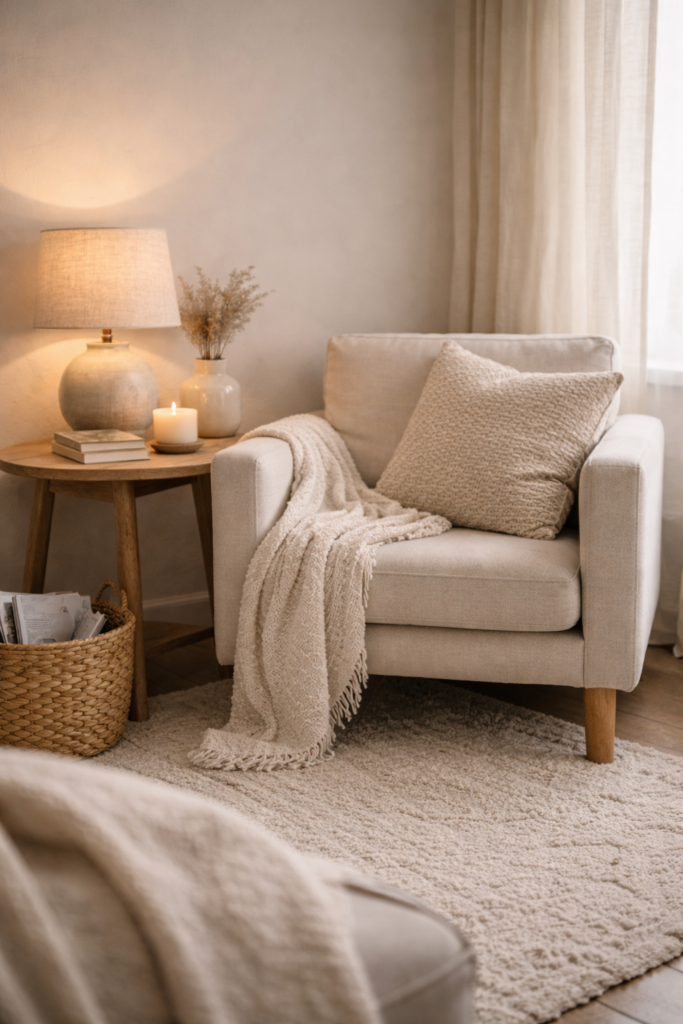
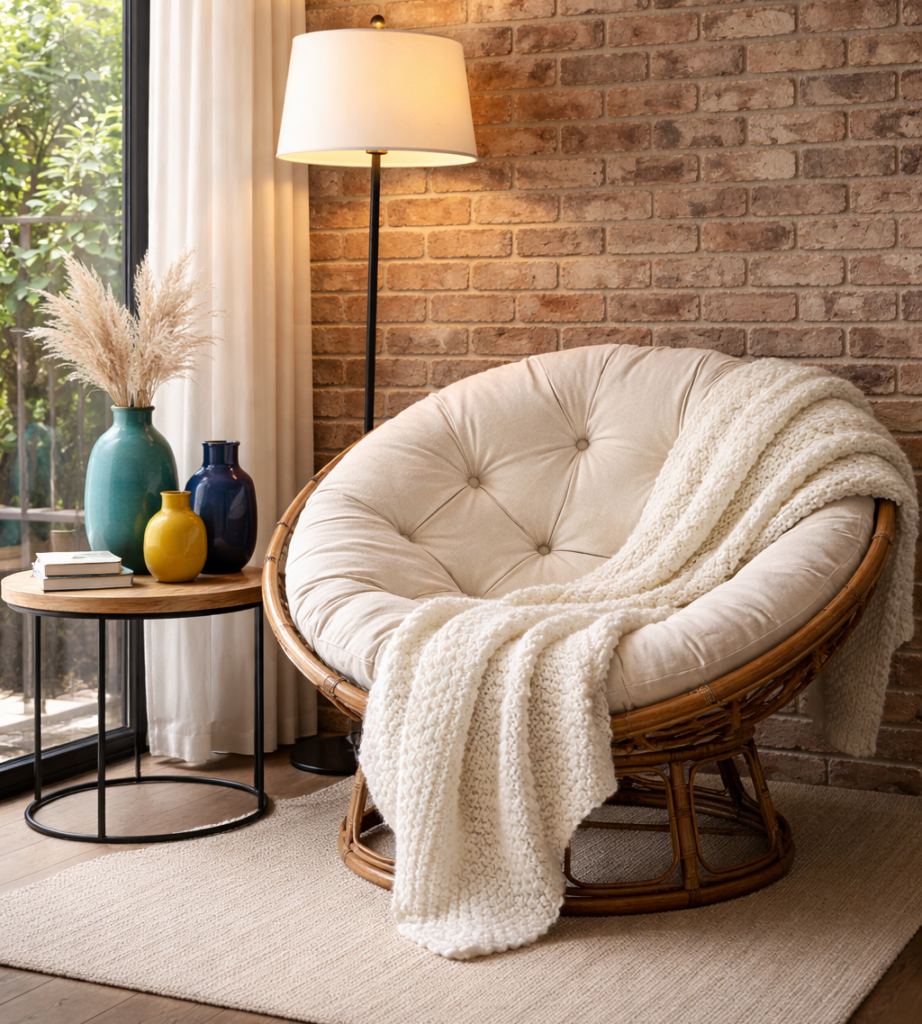
    A chair with a folded throw.
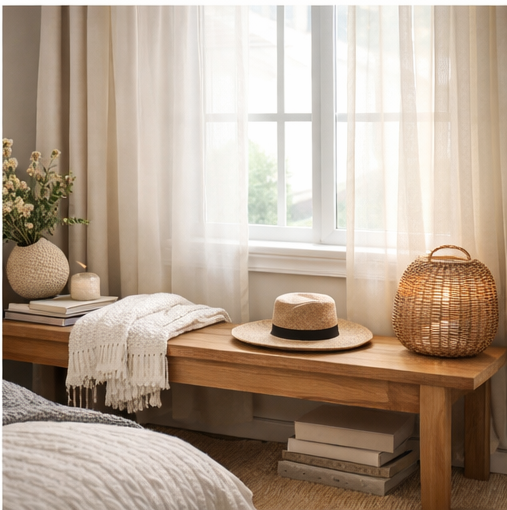
    A bench with nothing piled on it.
    A corner with a lamp and no clutter nearby.

    Not every space needs a purpose.

    Some areas should simply remain undisturbed.

    That visual pause helps the room feel complete.

    Create a Small End-of-Day Ritual

    The room begins to feel different when one small action repeats each evening.

    It does not need to be elaborate.

    Just something consistent:

    • turn on one lamp
    • smooth the bed
    • clear the nightstand
    • lower the room visually

    These small signals help the room feel separate from the rest of the day.

    A bedroom becomes restful when it stops behaving like unfinished daytime space.

    That is often what unwinding really needs.

    Not a dramatic reset.

    Just a room that quietly stops asking for attention.

    Print the bedroom reset checklist below.
  • Creative Kitchen Reset: Easy Styling That Changes the Feel

    This website contains affiliate links. I may earn a commission at no additional cost to you if you make a purchase through these links.

    If you want to follow this reset step by step, there’s a printable checklist waiting at the end of the post.

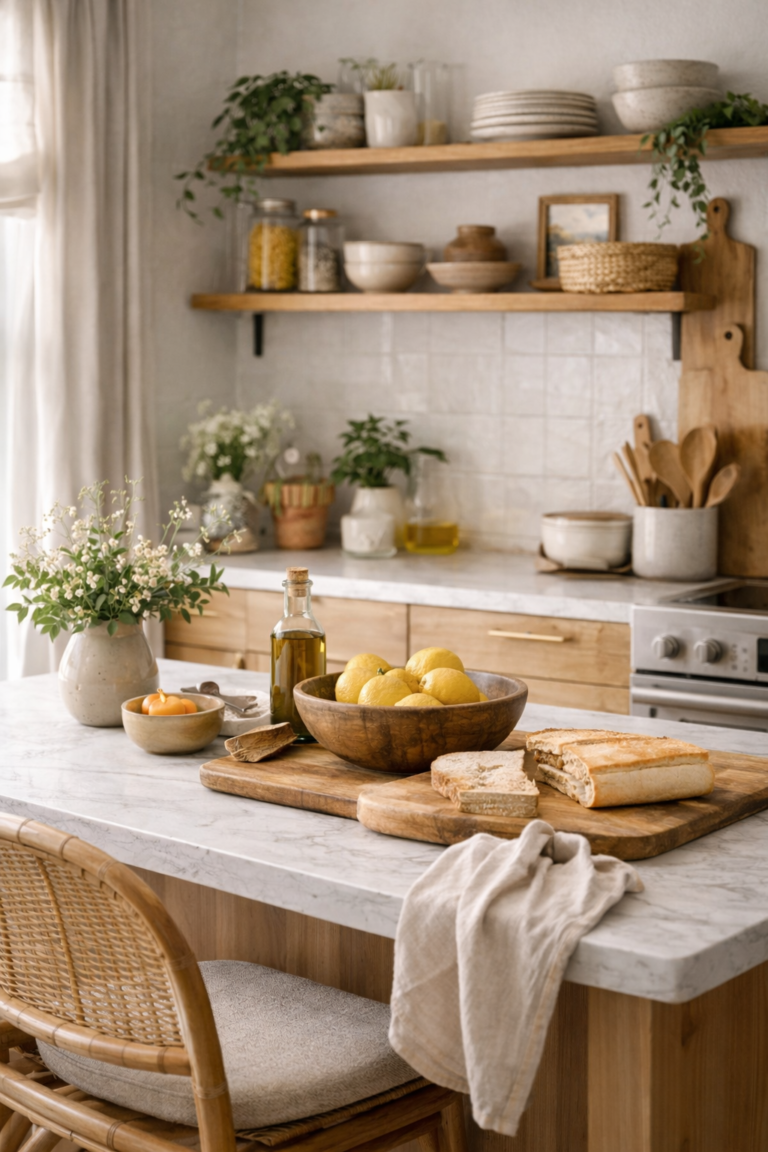
    What Makes a Kitchen Feel Creative

    Creative spaces are not perfect.

    They feel layered, slightly personal, and a little unexpected.

    A creative kitchen usually has:

    • texture that breaks up hard surfaces
    • objects left visible with intention
    • warmth mixed with contrast
    • pieces that feel collected instead of overly matched

    The goal is not decoration for decoration’s sake.

    The goal is making the room feel like it has character without losing function.

    A kitchen should still work easily.

    It just should not feel flat while doing it.

    Start with What You See First

    The countertop controls the mood immediately.

    If the surface feels crowded, the whole room feels heavier.

    Clear everything first.

    Then only place back what deserves to stay visible.

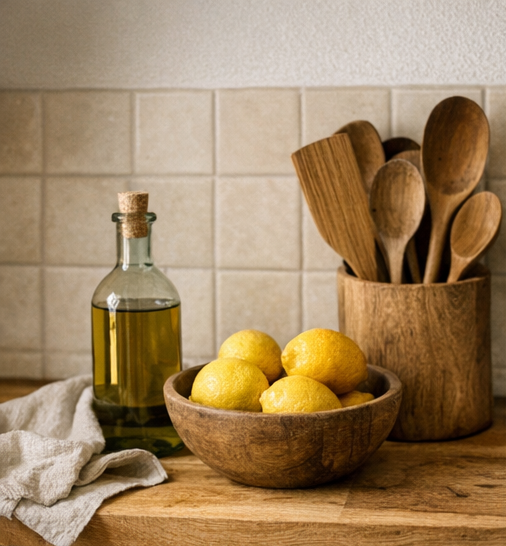
    Keep:

    • one daily-use item
    • one natural element
    • one object that adds shape

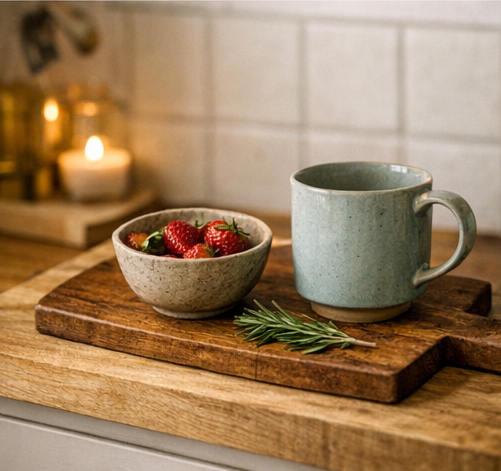
    A simple example:

    That already feels more intentional than six unrelated things spread across the counter.

    Creative styling works best when there is breathing room.

    Negative space matters more than people expect.

    Use Everyday Objects as Part of the Styling

    The easiest way to create a creative kitchen is to stop hiding everything useful.

    Some of the best visual details are ordinary things left out well.

    Try:

    Useful objects often feel warmer than decorative ones because they belong naturally.

    A kitchen should never feel staged to the point where it looks afraid of being used.

    That always ruins the mood. Humans do this constantly. They style rooms like nobody is allowed to touch them, then wonder why the room feels emotionally unavailable.

    Bring in Color Without Forcing It

    A creative kitchen does not need a full color change.

    Usually one controlled accent is enough.

    Good color choices for this mood:

    • soft sage
    • muted terracotta
    • dusty blue
    • warm cream with deeper natural wood tones

    You can introduce color through:

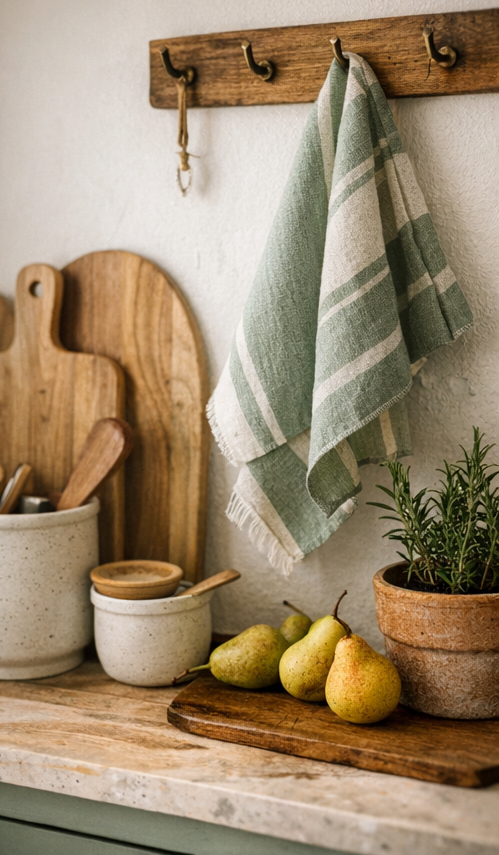
    • dish towels
    • ceramics
    • fruit bowls
    • a small piece of art
    • glassware

    Even one visible color anchor helps the room feel more alive.

    Especially in kitchens where everything else is neutral.

    Texture Changes Everything

    Kitchens are full of hard materials.

    Cabinets. Stone. Metal. Glass.

    That is why texture matters so much here.

    Add softness through contrast:

    • linen towel
    • woven tray
    • clay pot
    • wood board
    • matte ceramic

    A simple rule that works almost every time:

    soft + hard + natural

    For example:

    That combination feels balanced without trying too hard.

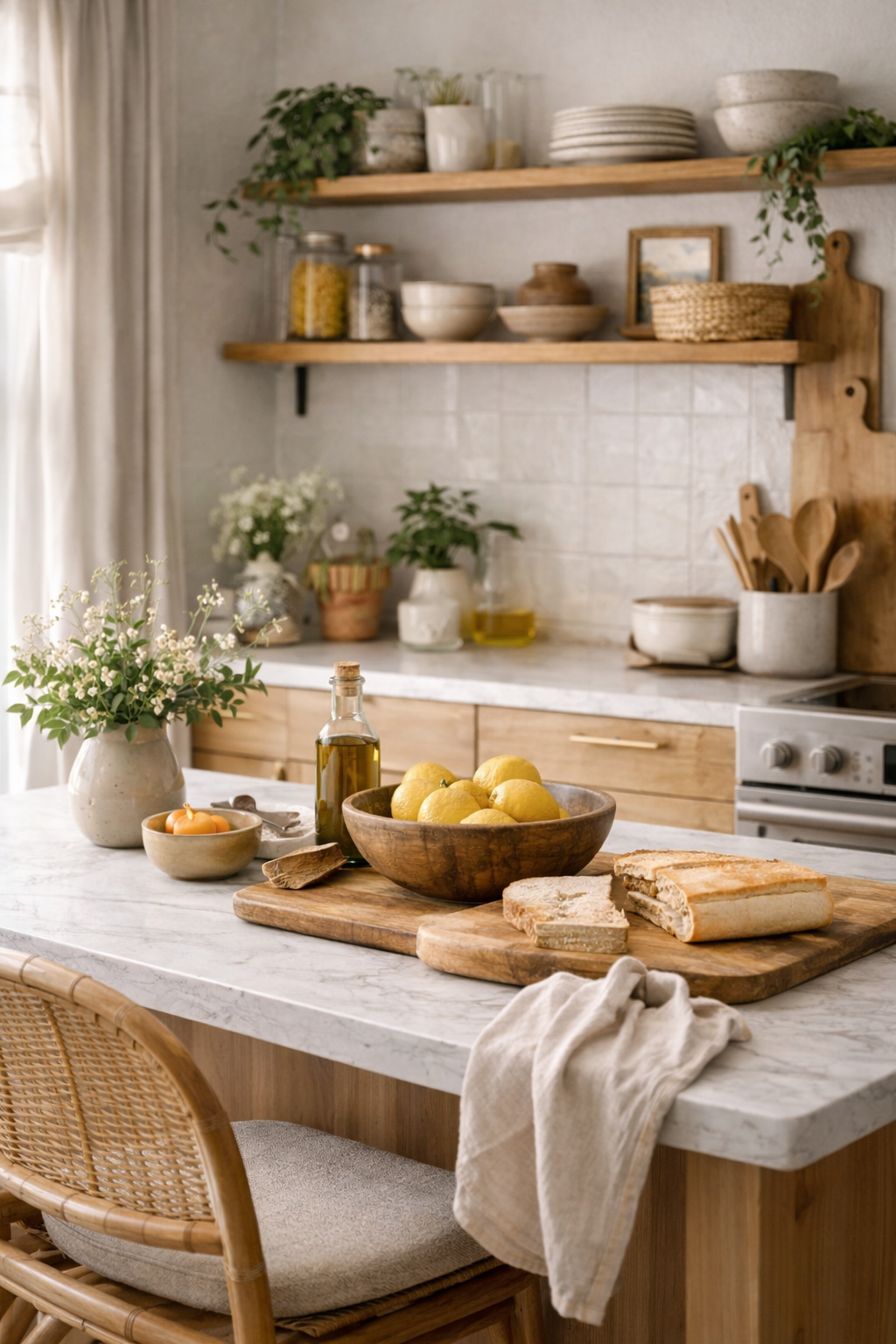
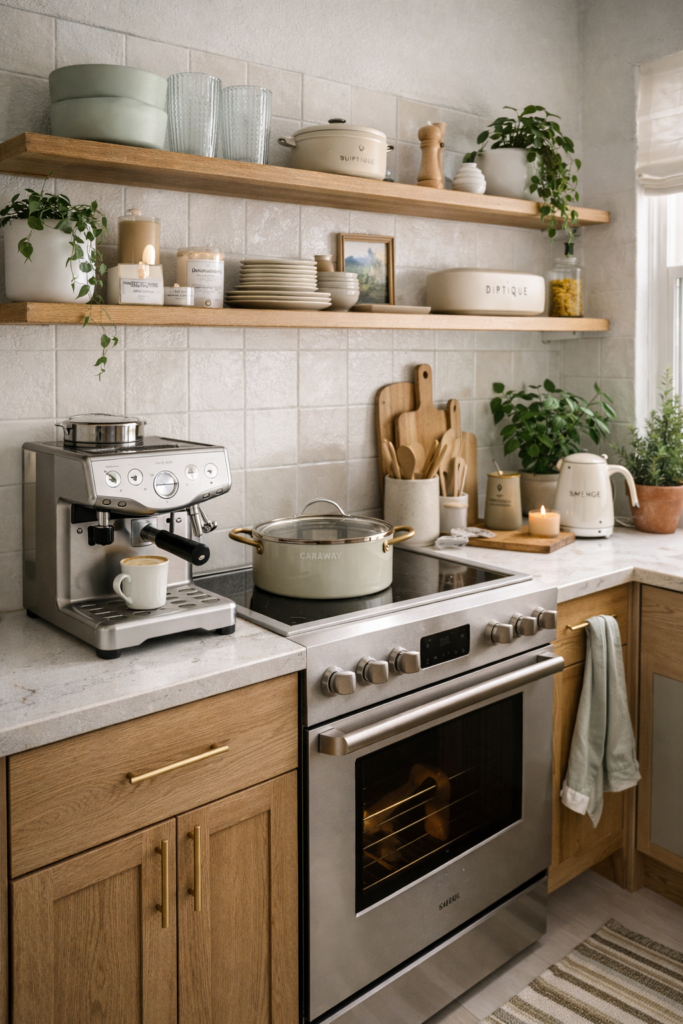
    Open Shelves Should Feel Edited, Not Full

    If shelves exist, they should tell a story, not look like a storage problem.

    A simple balance works well:

    • mostly practical pieces
    • one natural material
    • one decorative object

    Try:

    • stacked bowls
    • glass jars
    • folded linen
    • one small framed piece
    • a trailing plant

    Leave space between objects.

    Creative mood needs pause.

    Too much shelf styling turns into visual noise fast.

    Lighting Is Usually the Missing Piece

    A kitchen can be beautifully styled and still feel wrong under harsh light.

    Overhead lighting flattens everything.

    Whenever possible:

    • turn on a small lamp
    • use under-cabinet light
    • let window light stay softer in the morning or evening

    Warm light changes:

    • wood looks richer
    • ceramics feel softer
    • neutral colors stop looking cold

    A small lamp in a kitchen often changes more than buying something new.

    Ridiculous, but true!

    Add Softness Where Kitchens Usually Feel Hard

    Because kitchens are practical spaces, softness matters more here than people expect.

    Use fabric intentionally:

    One textile with visible texture immediately softens the room.

    Even hanging a towel properly instead of tossing it over the handle changes how finished the room feels.

    Tiny details carry an absurd amount of visual weight.

    Use One Seasonal Detail, Not Ten

    A creative kitchen stays fresh when one small seasonal shift appears.

    Try:

    • citrus in spring
    • herbs in summer
    • pears in autumn
    • evergreen stems in winter

    Nothing elaborate.

    A bowl, a stem, a color change.

    That is enough.

    Seasonal mood works best when it looks natural, not announced like the room is auditioning for a holiday commercial.

    Bring in Something Living

    Nature almost always improves a kitchen.

    Best options:

    • basil near the window
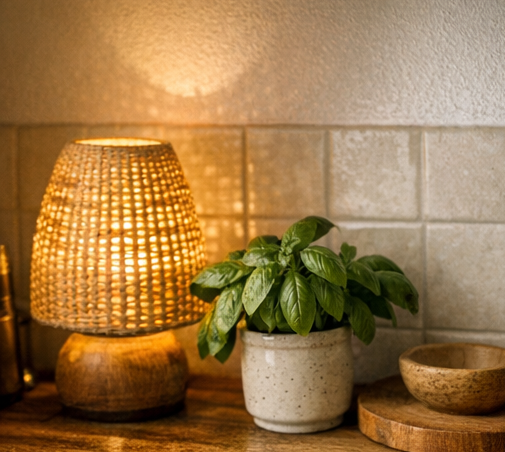
    • rosemary in a clay pot
    • a small trailing plant on a shelf

    Natural materials help too:

    • wood
    • rattan
    • clay
    • stone

    These pieces add quiet depth because they age well and never feel too polished.

    A kitchen usually feels most creative when at least one thing looks alive.

    The Real Reset

    A creative kitchen reset is not about adding more.

    It is usually about editing better.

    A better angle.
    A better grouping.
    A better use of light.

    When a room feels intentional, even ordinary objects begin to look different.

    And that is usually the point where the kitchen starts feeling like part of your mood instead of just the place where everything gets dropped.

    Download the free Creative Kitchen Reset Checklist to follow while styling your space.

  • The 30-Minute Relax Reset: How to Change the Mood of Your Living Room (Without Buying Anything)

    Have you ever walked into your living room and thought,
    “It just feels… off”?

    Nothing’s broken.
    Nothing’s outdated.
    But the room feels heavy. Busy. Slightly overstimulating.

    Most people think they need to buy something.

    You don’t.

    You need to shift the mood.

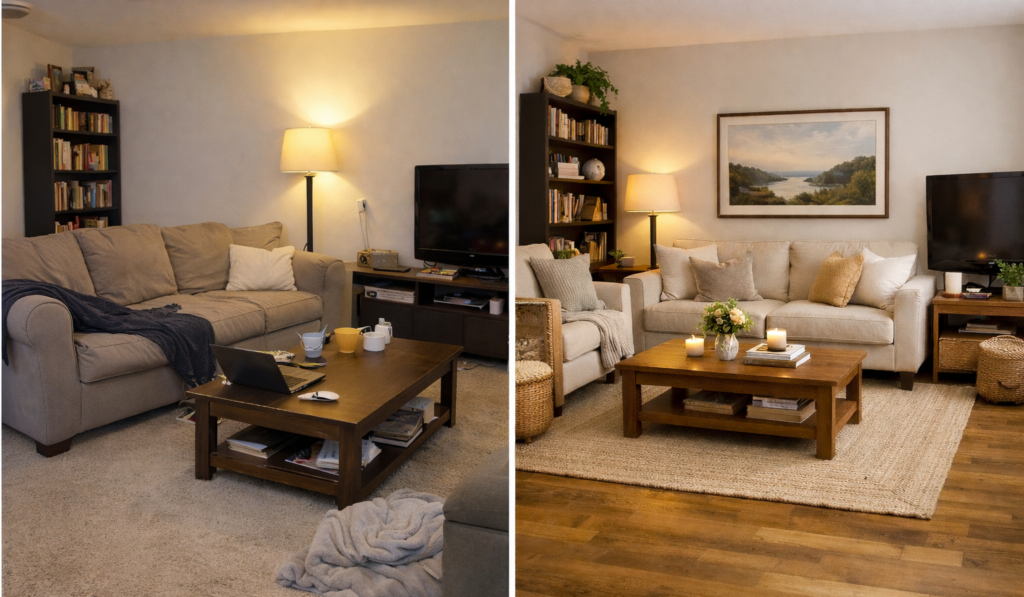
    This 30-Minute Relax Reset is about using what you already own to move your space from tense to calm, scattered to intentional.

    Design by mood, not by trend.

    Why a Living Room Reset Matters

    Your living room affects your nervous system more than you realize.

    It’s where you decompress.
    Where conversations happen.
    Where your brain either settles… or stays alert.

    Research consistently shows that clutter and harsh lighting increase mental load, while softer, organized environments reduce stress.

    This reset isn’t about decorating.

    It’s about regulating.

    If you want to follow this reset step by step, there’s a printable checklist waiting at the end of the post.

    The 30-Minute Relax Reset

    Minute 0–5: Clear the Visual Noise

    Start with surfaces.

    Coffee table. Side tables. Media console.

    Remove everything.

    Now add back only what supports a relaxed mood:

    • One meaningful object
    • A book you’re actually reading
    • A candle or small plant

    Store the in-between items:

    • Remotes
    • Mail
    • Cords

    Use a drawer, basket, or box you already own.

    Clear surfaces signal calm to your brain.
    Less input. Less tension.

    Relaxed spaces are edited spaces.

    Minute 5–10: Shift the Lighting

    Lighting changes mood faster than anything else.

    • Turn off overhead lights
    • Turn on lamps
    • Open curtains halfway instead of fully
    • Close them slightly if the light feels harsh

    If overhead lighting is your only option, turn off half the bulbs if possible.

    Soft light = softened mood.

    Your brain reads brightness as alertness.
    Dimmer light signals rest.

    Layered, warm lighting immediately reduces visual tension.

    Minute 10–15: Rework the Layout (Slightly)

    You don’t need to move the couch across the room.

    Just interrupt the pattern.

    • Angle a chair slightly inward
    • Pull furniture a few inches away from the walls
    • Center your coffee table properly
    • Create a tighter conversation area instead of facing everything toward the TV

    Even small shifts change visual balance.

    Relaxed rooms feel intentional, not scattered.

    Harmony feels calm.

    Minute 15–20: Add Texture From What You Already Own

    This is where comfort lives.

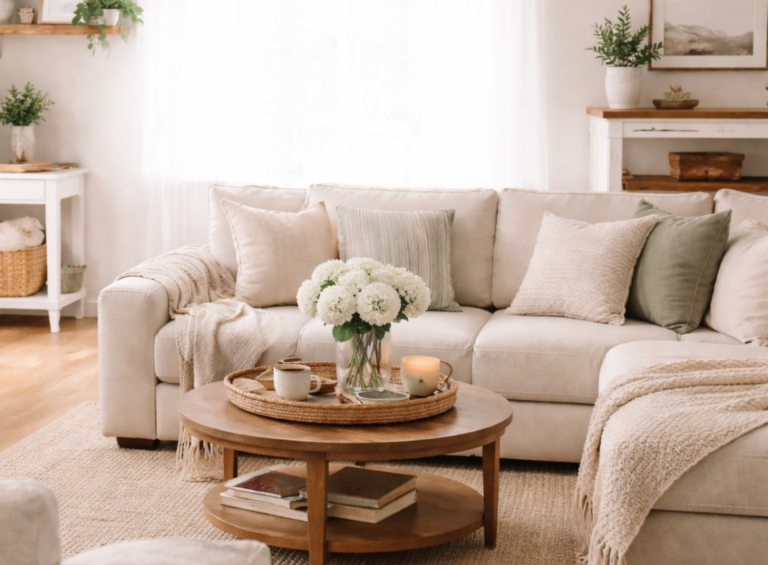
    • Drape a throw casually instead of folding it stiffly
    • Fluff pillows
    • Swap pillows from another room for a softer mix
    • Bring in a woven basket
    • Add a small stack of books

    Texture adds warmth without adding clutter.

    Flat rooms feel cold.
    Layered rooms feel lived-in.

    Minute 20–25: Remove One “Hard” Element

    Look around.

    Is there something sharp, shiny, or visually loud?

    Examples:

    • A glossy tray
    • Too many bold patterned pillows
    • Excess electronics in view
    • High-contrast decor pieces

    Hide or soften one of them.

    Relaxed rooms lean into matte, natural, grounded materials.

    You don’t need to replace anything.
    Just reduce contrast.

    Minute 25–30: Create a Micro Moment

    This is the quiet secret.

    Choose one small area and make it feel composed:

    • Chair + lamp + folded throw
    • Coffee table + candle + book stack
    • Sofa corner + pillow trio

    Use the Rule of Three if it helps. Vary heights slightly.

    When one area feels intentional, the entire room feels elevated.

    Arrangement is more powerful than acquisition.

    Final Step: Set the Mood on Purpose

    Pause.

    Ask yourself:

    How do I want this room to feel?

    • Calm
    • Cozy
    • Light
    • Minimal

    Now remove anything that doesn’t support that answer.

    Your living room doesn’t need to look styled for social media.

    It needs to feel right to you.

    Common Reset Mistakes to Avoid

    • Adding more decor
    • Buying something immediately
    • Overthinking every adjustment
    • Comparing your space to Pinterest

    Relaxation is the goal. Not perfection.

    Download the printable checklist below for easy use while you reset your space.

    Final Thoughts

    You don’t need new furniture. You don’t need a budget.

    You need 30 intentional minutes.

    Clear the surfaces.
    Soften the light.
    Shift the layout.
    Layer texture.
    Create one composed moment.

    And suddenly, your living room feels different.

    Lighter.
    Quieter.
    More aligned.

    That’s the power of designing by mood.

    Download the Free Printable Checklist

  • The $200 Patio Reset: Simple Changes That Make a Big Difference

    This website contains affiliate links. I may earn a commission at no additional cost to you if you make a purchase through these links.

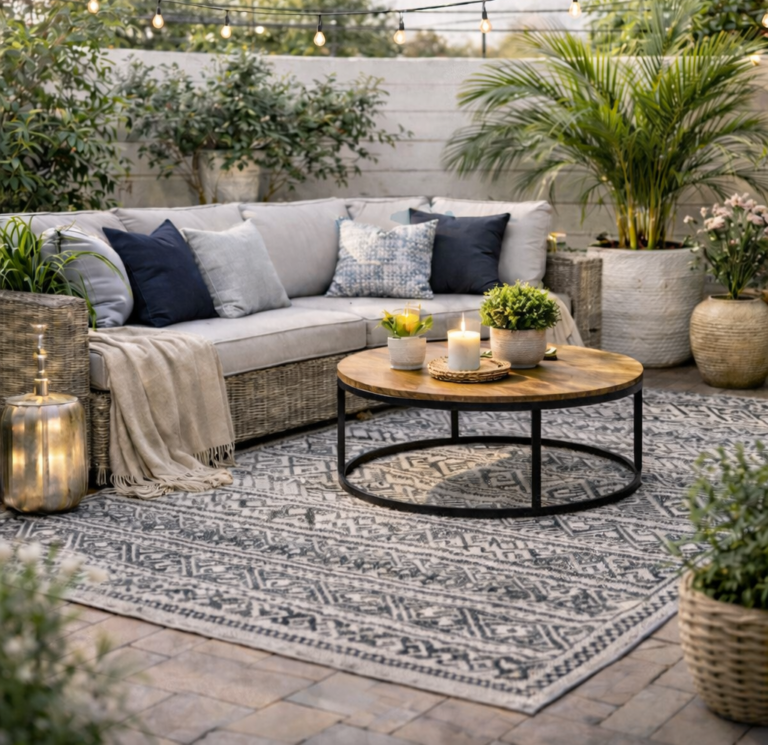
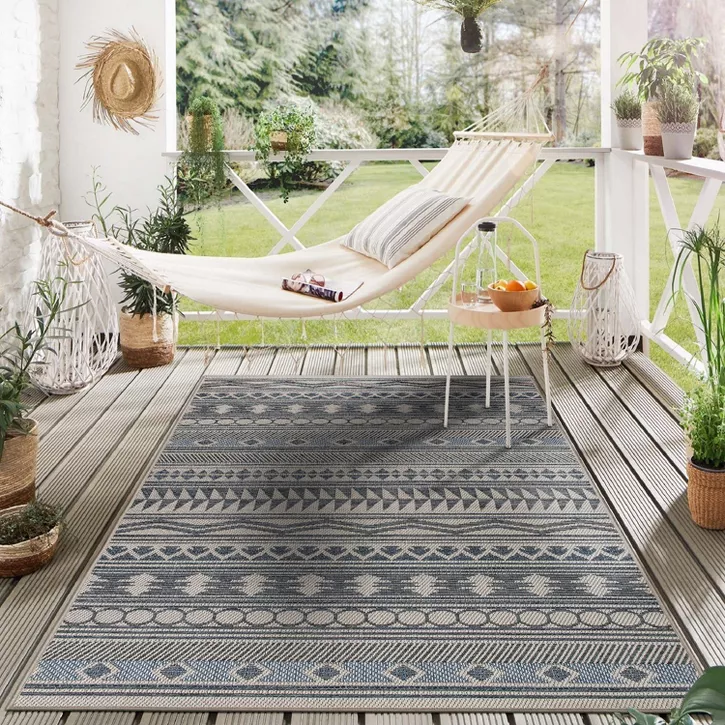
    Step 1: Define the Space with an Outdoor Rug

    Step 2: Add Softness with Outdoor Pillows

    Tramull 22X22" Indoor/Outdoor Reversible Throw Pillow,White+Blue, 1 of 6

    Step 3: Install Warm Lighting

    Threshold™ : Target

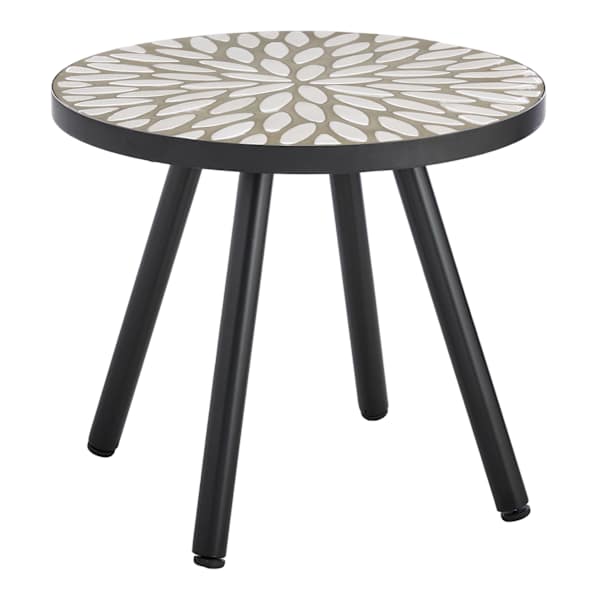
    Step 5: Add a Functional Accent Piece

    Sample $200 Budget Breakdown

    Why This Reset Works

  • Design by Mood: Creative Ways to Elevate Your Space for Less

    This website contains affiliate links. I may earn a commission at no additional cost to you if you make a purchase through these links.

    Step 1: Choose the Mood Before You Choose the Decor

    Step 2: Elevate Through Simplicity

    Step 3: Use Texture to Add Depth (Not More Stuff)

    Step 4: Rearrange Before You Repurchase

    Step 5: Thrift With a Vision

    Step 6: Invest in One Statement Piece

    The Real Secret: Mood Creates Cohesion

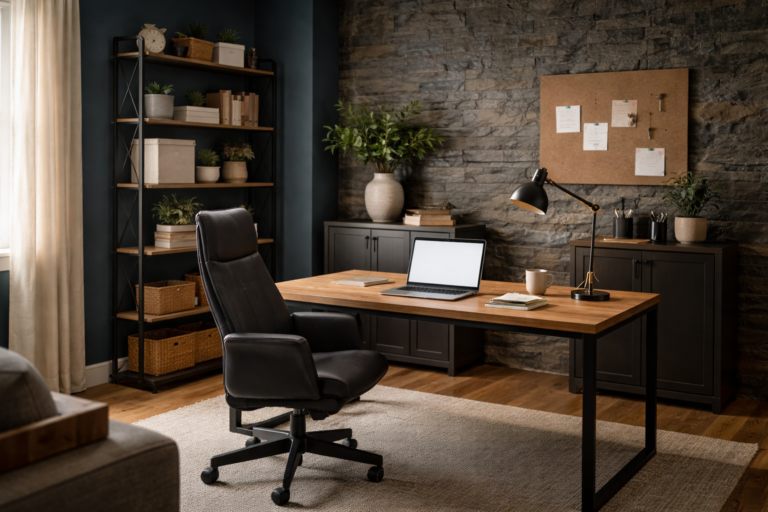
  • Designing a Focused Space: How to Create a Room That Helps You Get Things Done

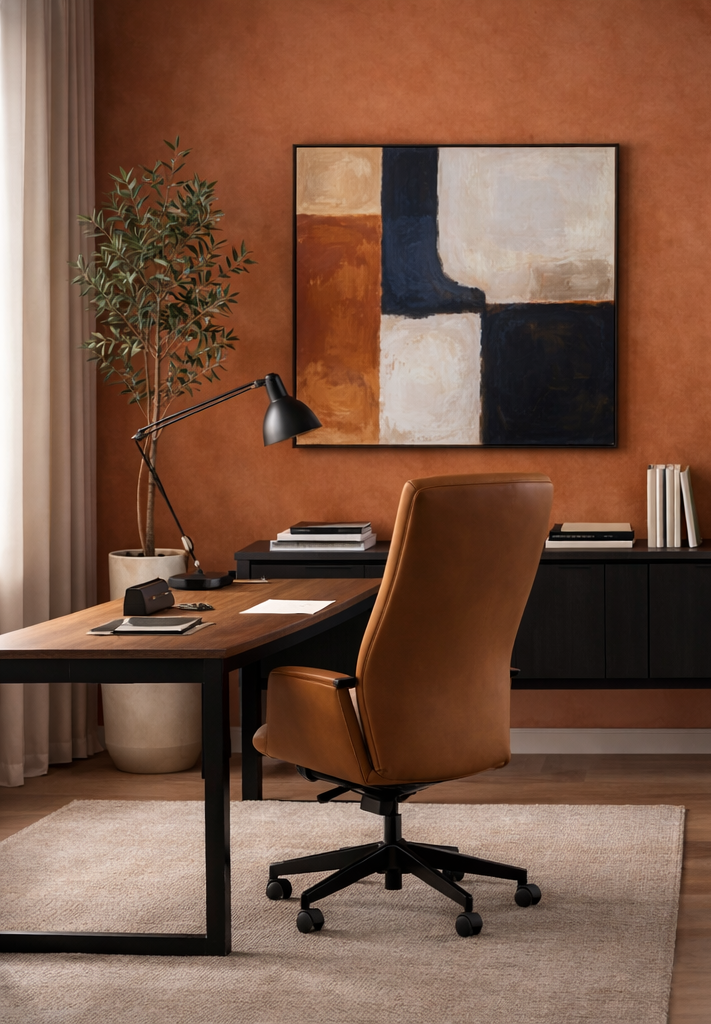
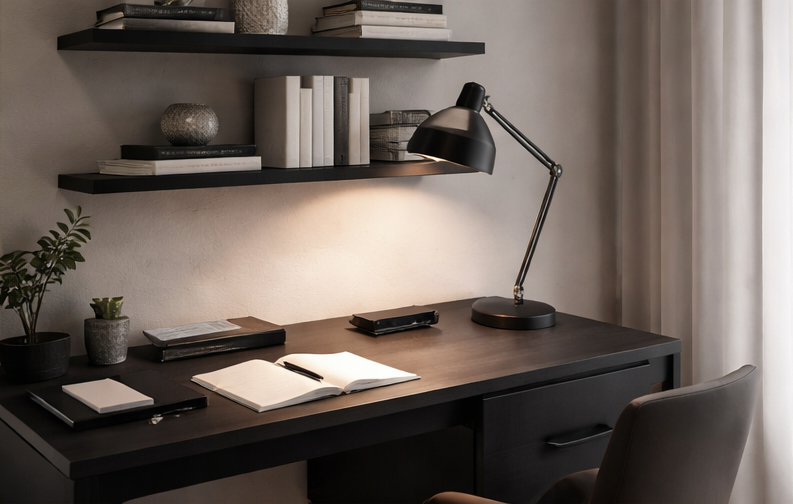
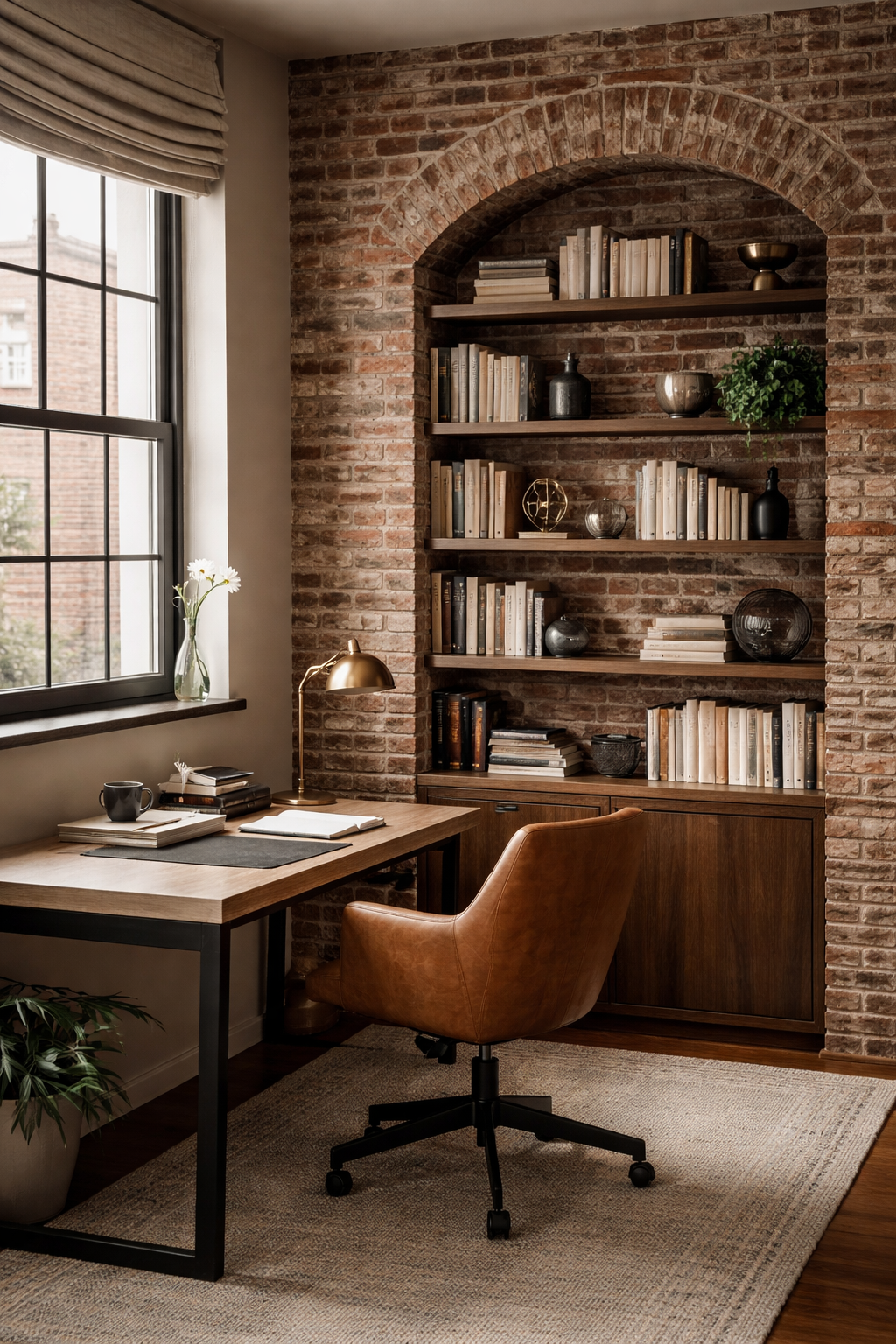
    Step 3: Upgrade Your Desk Area

    If this space is for work, studying, planning, or creating, your desk area matters most.

    Focus-friendly upgrades:

    • A high-back supportive chair
    • Minimal desk organizers
    • One statement task lamp
    • Clean cable management

    One statement. Not five.

    Step 6: Remove What Distracts You Personally

    Focused Space Checklist

    Before you call it done, ask:

    • Does this room feel calm but alert?
    • Can I sit down and immediately know what to do?
    • Is there anything visually pulling my attention away?
    • Does the layout feel structured?

    If the answer is yes to clarity and no to distraction, you nailed it.

    Final Thought

    When your space reflects clarity, your mind follows. You don’t need more motivation. You need fewer distractions.

    Design your space for the mood you want to live in.

    Focused. Intentional. Ready.

    Some links on this page are affiliate links. I may earn a small commission at no additional cost to you.

    Curated Pieces for a Focused Space

    Minimal Matte Desk

    Structured High-Back Chair

    Directional Task Lamp

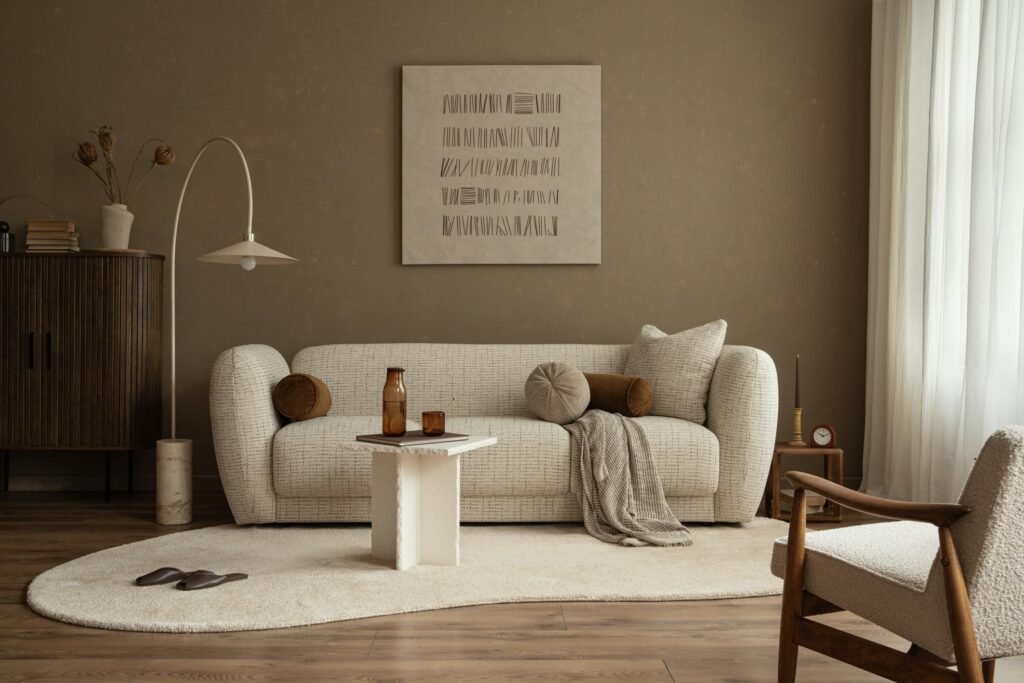
  • How to Create a Living Room That Feels Effortlessly Relaxed

    This post may contain affiliate links. If you purchase through these links, I may earn a small commission at no additional cost to you.

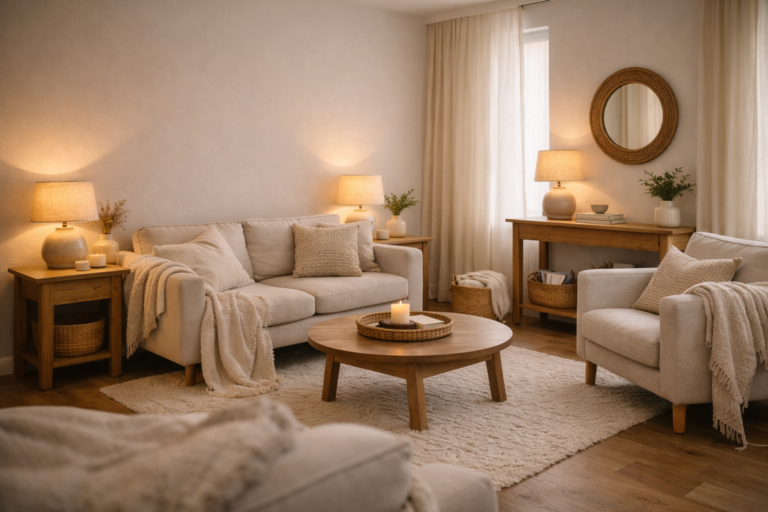
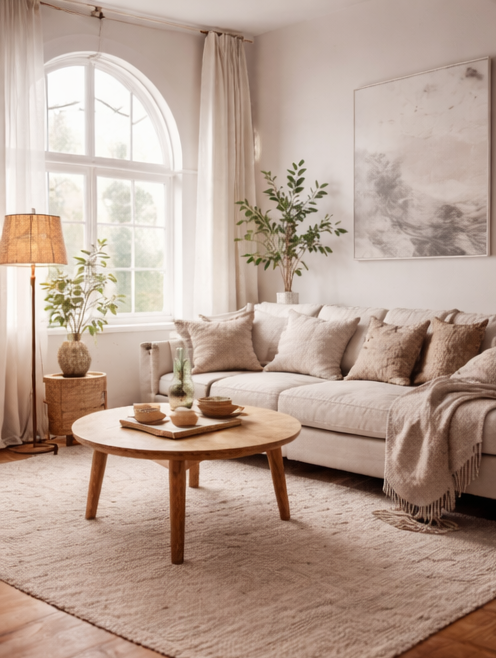
    1. Start with a Soft, Neutral Foundation

    3. Keep Furniture Layout Open and Approachable

    4. Add Warm Lighting

    5. Let It Feel Lived In

    Leave a folded throw over the arm of the sofa. Stack a few favorite books on the coffee table. Add greenery that brings life into the room.